
 0208 680 0922
5 Signs Your Land Rover Needs Professional Attention Before It’s Too Late
x
Posted in Uncategorized
Discovery & Range Rover Air Suspension Problems
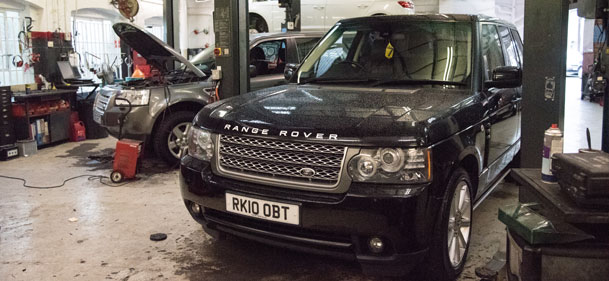
Discovery & Range Rover Air Suspension Problems
Range Rover Beginning
Range Rovers are known for being luxury vehicles; they have a long and proud history coming from humble beginnings from the iconic Land Rover. The Range Rover was first launched in June 1970 and it was a great success and went on to win many awards over the years.
In 1992 the 108inch long wheel base version was released, this is when Range Rover first introduced air suspension. The idea behind this was to increase the handling of the car and to also lower the car to allow the drivers/passengers ease of access getting in and out. The air suspension would drop to its lowest height when the car came to a stop. The air bag suspension replaced the traditional steel springs for the suspension, this same design was used for 25 years. The modern Range Rover Evoque & Discovery have some common faults, especially the L322 Model which has its fair share of air suspension problems. Some may say something that is over engineered is designed to fail.
The air suspension system is designed to allow the driver the option of which ride height they would like when driving. If the driver would like to take the Range Rover off road, then they would increase the height. If the driver was to drive the vehicle on a motorway then they might adjust it so the ride height is quite low, to allow for a smoother drive and better handling.
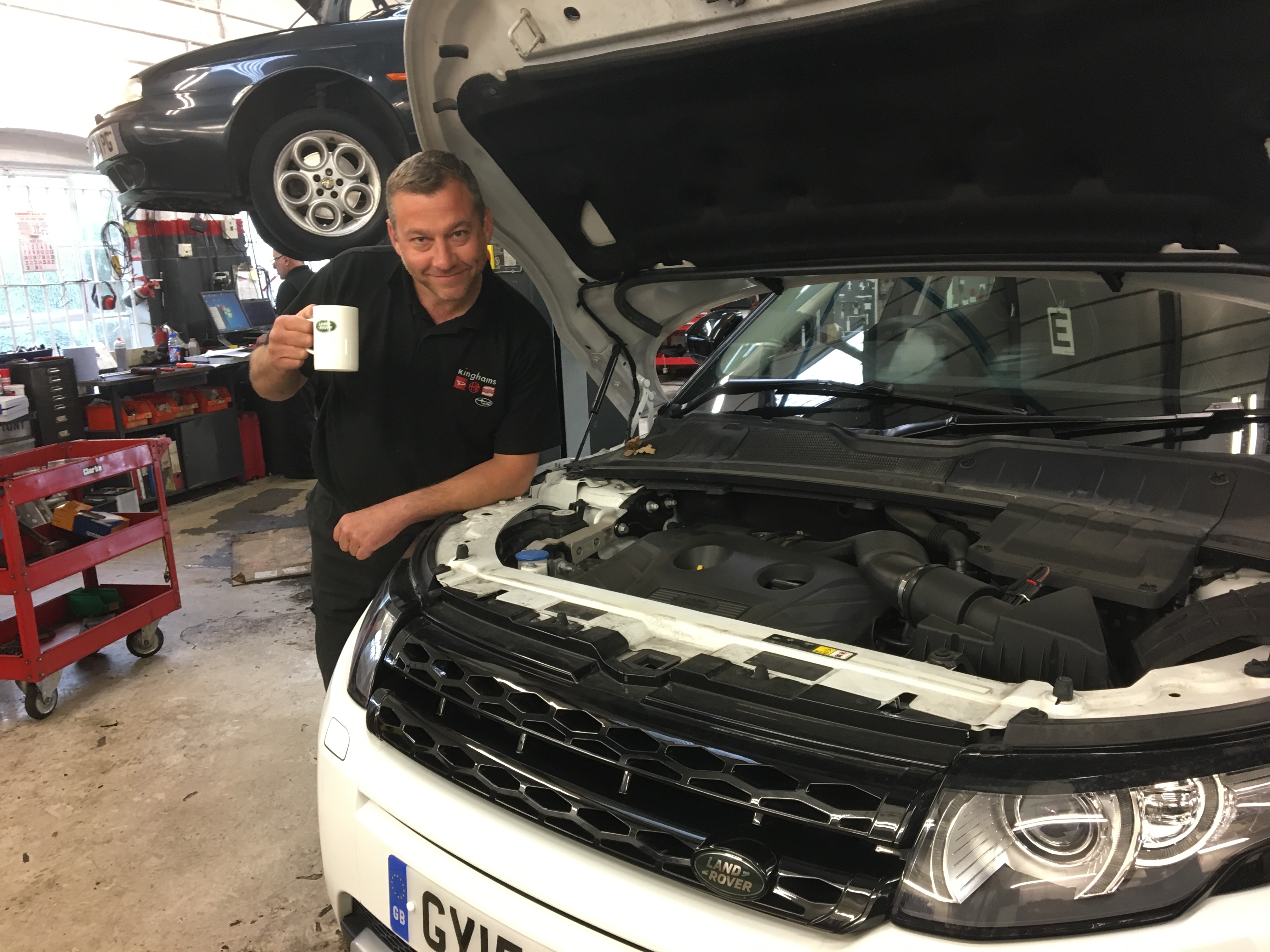
Air Suspension Issues on Land Rover Discovery & Range Rovers
Having this technology can be very beneficial but as with any car, problems can occur over time. The air suspension can wear out through general usage or the system might not fair so well after years of use. The air suspension system is made up of many different components which can be contributing factors to cause issues for the whole system. In 1995 three years after Range Rover first introduced air suspension they made it standard on every vehicle. Known as the EAS or Electronic Air Suspension, this systems software allows the user to inflate and deflate the air springs depending on the speed of the car and the terrain.
When dealing with an air suspension problems it could be down to any or all of the major components that make up the system. Here is a list of the different components:
- Air bags
- Height sensors
- Air struts
- Springs
- Compressors
- Storage tank
- Valve block
- Electronic controls
Common Faults with Air Suspension
Air Bag Problems – The air bags over time can develop leaks. This can be caused by the rubber losing its strength due to the age or mileage of the car. Also climate can be a contributing factor or even just general maintenance like cleaning under the arches after being off-road can cause the rubber to perish.
Height Sensor Problems – The height sensors are designed to measure the distance from the ground as the name suggests. They sit on all four corners in close proximity to the air bags. The sensor can be damaged by the vehicle being exposed to rough terrain or harsh weather conditions. If the sensor or wiring becomes loose or damaged it can cause the whole suspension to be stuck at one height or sagg.
The Air Compressor and Storage Tank Problems – Air compressors tend to fail after many years of being used. This can cause a lack of air being pumped through the system which will cause an error message to appear. Another fault may be down to a faulty relay, which turns the compressor on and off.
Valve Block Problems – If the valve block fails it can shut off the air traveling to the air bags. This tends to be a more expensive component in the system, so can be a costly repair.
Electronic Control Problems – This can be down to your control panel or wires that may have been frayed. We would suggest taking it to a professional who will run a diagnostic routine on the whole system. This will help to identify faults.
Things to Look Out For
- Suspension fault error codes
- Individual sensors not receiving the right voltage
- Fault code – Tyre Pressure Monitoring System Fault
How We Can Help
At Kingham LR we are Land Rover Service & Repairs specialists. We have been a family run business since 1959. We can help you diagnose & fix any Range Rover Air Suspension problems you may be having. Our dedicated and professional team have many years experience working with Range Rovers.We can provide you with a quick quote, please just let us know the vehicle registration number and current mileage.
To get a quote, give us a call on 0208 629 1345 or complete our contact form.
Posted in Land Rover Service
Land Rover Goes Electric: What It Means for Owners
Land Rover Goes Electric
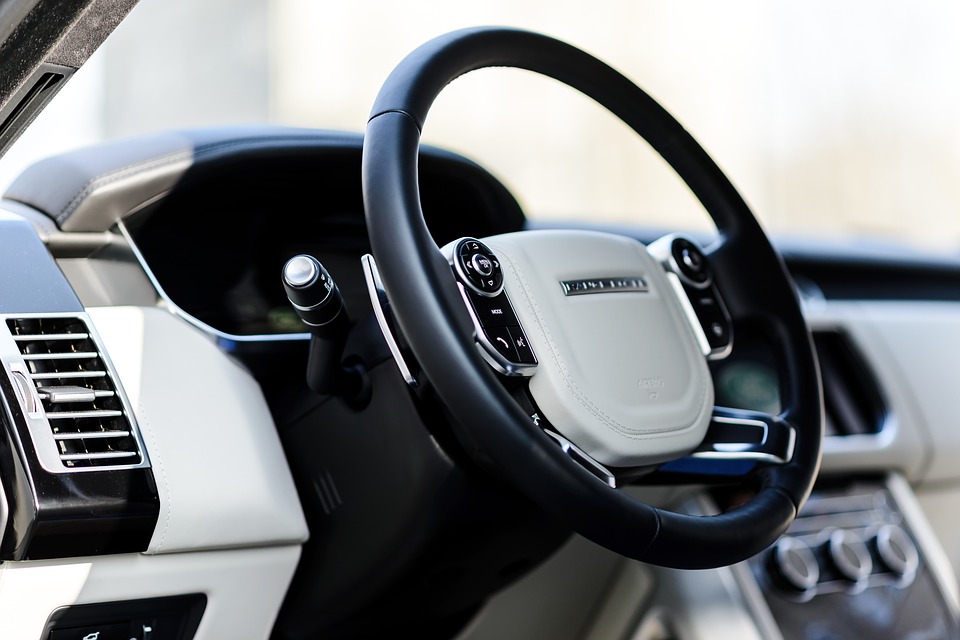
Land Rover goes electric, and this shift marks one of the biggest transformations in the brand’s history. Known for combining luxury, performance, and all-terrain capability, Jaguar Land Rover is now embracing electrification across its model range from mild hybrids to plug-in hybrids and fully electric vehicles.
For Land Rover owners, this evolution brings clear benefits, including improved efficiency, lower emissions, and enhanced performance. However, it also introduces new responsibilities when it comes to vehicle maintenance. As electrified systems become standard, Land Rover hybrid servicing is no longer optional; it is essential for reliability, safety, and long-term value.
This guide explains which Land Rover models are going electric, how hybrid technology works, and why specialist servicing is critical as the brand moves into an electric future.
Land Rover Goes Electric Across the Model Range
Jaguar Land Rover’s electrification strategy is not limited to a single vehicle. Instead, it is being rolled out across nearly all models, ensuring drivers can choose the level of electrification that suits their lifestyle.
Currently, the Range Rover and Range Rover Sport are available with plug-in hybrid (PHEV) powertrains, combining petrol engines with electric motors for smooth, efficient driving. These vehicles can operate on electric-only power for short journeys, making them ideal for urban and commuter use.
The Range Rover Evoque Plug-in Hybrid introduces electrification to a more compact SUV, pairing a 1.5-litre petrol engine with an electric motor. The same hybrid technology is also used in the Discovery Sport, offering families a more efficient option without sacrificing practicality.
The iconic Land Rover Defender has also joined the electrified lineup, with plug-in hybrid variants proving that capability and innovation can coexist. As Land Rover goes electric, hybrid systems are now found across luxury, family, and off-road models alike.
How Electrification Changes Land Rover Servicing
When Land Rover goes electric, servicing requirements change significantly. Hybrid and electric vehicles rely on advanced high-voltage systems alongside traditional mechanical components. This makes Land Rover hybrid servicing very different from standard petrol or diesel servicing.
Key areas requiring specialist attention include:
- High-voltage batteries and power electronics
- Electric motors and hybrid transmissions
- Regenerative braking systems
- Thermal management and cooling systems
- Vehicle software and control modules
Without the correct diagnostics and training, faults can be missed or incorrectly resolved. This is why specialist Land Rover hybrid servicing is essential particularly for maintaining efficiency, preventing warning lights, and protecting warranties.
At Kinghams, servicing is carried out using manufacturer-level diagnostic equipment, ensuring every hybrid Land Rover is maintained to the correct standard and its digital service history is fully updated.
Range Rover’s Electrified Future
The biggest changes are taking place within the Range Rover lineup. The next-generation Range Rover platform has been designed to support three electrified powertrains:
- Fully electric Range Rover
- Plug-in hybrid (PHEV)
- Mild hybrid (MHEV)
Mild hybrid systems recover energy during braking and store it in a compact battery. This energy is then used to support acceleration and power electrical systems, improving efficiency without the need for plugging in.
Even though mild hybrids may feel similar to conventional vehicles, they still require specialist Land Rover hybrid servicing due to their integrated electrical components. As Land Rover goes electric, even entry-level systems are becoming more complex making expert care increasingly important.
The Land Rover Road Rover: A New Electric Direction
Electrification is not only transforming existing models. Land Rover is also preparing to introduce an entirely new vehicle, the Land Rover Road Rover.
This luxury electric SUV is expected to focus on comfort, space, and refinement rather than off-road capability. Designed for drivers who enjoy the prestige of a Range Rover but spend most of their time on the road, the Road Rover represents a new direction for the brand.
With generous boot space and a fully electric drivetrain, this model will rely heavily on advanced battery management systems and software integration. As Land Rover goes electric, vehicles like the Road Rover will require expert servicing from specialists trained in electric vehicle systems from day one.
Why Specialist Land Rover Hybrid Servicing Is Essential
As electrified vehicles become the norm, choosing the right servicing partner matters more than ever. Hybrid and electric Land Rovers must be maintained by technicians trained to work safely with high-voltage systems.
Professional Land Rover hybrid servicing offers:
- Accurate fault diagnosis using approved systems
- Safe handling of high-voltage components
- Correct software updates and calibrations
- Manufacturer-approved servicing schedules
- Protection of warranty and resale value
At Kinghams Land Rover, hybrid servicing is carried out with the same award-winning attention to detail as all other Land Rover services. From routine maintenance to advanced diagnostics, every vehicle receives specialist care tailored to its powertrain.
Related services include Land Rover diagnostics, Land Rover MOT testing, and Land Rover repairs, all completed in-house by experienced technicians.
Preparing for the Electric Land Rover Era
As Land Rover goes electric, proactive maintenance becomes essential. Hybrid and electric systems are designed to deliver long-term reliability, but only when serviced correctly. Regular Land Rover hybrid servicing helps prevent battery degradation, software issues, and reduced efficiency.
Whether you currently drive a plug-in hybrid or are planning to move to an electric Land Rover in the future, specialist servicing ensures your vehicle continues to perform as intended quietly, efficiently, and reliably.
FAQs: Land Rover Goes Electric & Servicing
1. What does “Land Rover goes electric” mean?
It means Land Rover is introducing mild hybrid, plug-in hybrid, and fully electric powertrains across its model range.
2. Which Land Rover models are currently hybrid?
Range Rover, Range Rover Sport, Evoque, Discovery Sport, and Defender all offer hybrid options.
3. Do hybrid Land Rovers need specialist servicing?
Yes. Hybrid systems include high-voltage components that require specialist training and diagnostics.
4. How often should a hybrid Land Rover be serviced?
Typically every 12 months or 16,000 miles, following manufacturer guidelines.
5. Is Land Rover hybrid servicing more expensive?
Not usually. Regular servicing often reduces the risk of expensive repairs later.
- Can independent specialists service electric Land Rovers?
Yes as long as they use approved diagnostics and follow manufacturer procedures.
7. Does Kinghams update digital service records?
Yes. All servicing is recorded on the official Land Rover digital service history system.
Trust Kinghams as Land Rover Goes Electric
At Kinghams Land Rover, we specialise in the servicing, MOT, and repair of all Land Rover models including hybrid and electric vehicles. Our Croydon-based, award-winning team is fully equipped to support Land Rover owners as the brand moves into its electric future.
📞 Call 0208 629 1345 or visit us on Keens Road, Croydon
👉 Get a Free Quote Today